
Debunking the myths What every gambler should know about casinos
Understanding the Odds
Many gamblers fall prey to the myth that they can outsmart the house by understanding the odds. In reality, every game in a casino is designed to favor the house in the long run. While certain strategies can help improve your chances, such as knowing when to bet or fold in poker, the inherent nature of casino games means that luck plays a significant role. For instance, using Pikashow allows you to explore various entertainment options while understanding that the odds are stacked against you can help you approach gambling with a more realistic mindset.
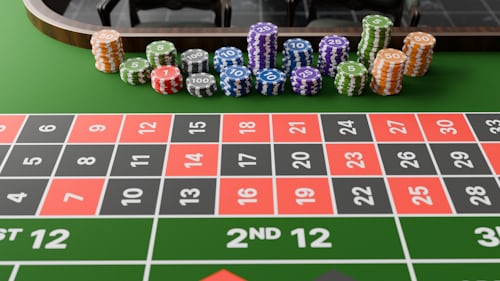
Moreover, many players believe that they can manipulate the odds through betting patterns or superstitions. However, games like slots operate on random number generators, making each spin independent of the last. This randomness means that past outcomes do not affect future ones, debunking the myth of “due” outcomes. Therefore, recognizing the importance of understanding odds and randomness can change how players engage with casino games.
It’s essential for gamblers to familiarize themselves with the return-to-player (RTP) percentages of their favorite games. This figure indicates how much a game is designed to pay back to players over time. For instance, a slot machine with a 95% RTP will, on average, return $95 for every $100 wagered. Understanding these numbers can empower players to make informed decisions about where to place their bets, ultimately enhancing their gaming experience.
Casino Bonuses: Are They Really Free?
One common misconception among gamblers is that casino bonuses are entirely free money. While these promotions may seem enticing, they often come with specific terms and conditions that must be met before players can withdraw their winnings. Wagering requirements are a critical aspect of these bonuses, often requiring players to bet a certain amount before cashing out. Ignoring these conditions can lead to disappointment when players realize they can’t access their winnings.
Additionally, some players may believe they can exploit bonuses through strategies like bonus hunting. While it’s true that savvy players can leverage promotions to maximize their gaming experience, casinos are aware of these tactics and often implement measures to limit bonus abuse. Understanding the fine print and conditions associated with bonuses can help gamblers make more informed choices and avoid pitfalls that could lead to frustration.
Furthermore, players should also be aware of the difference between various types of bonuses, such as welcome bonuses, no-deposit bonuses, and loyalty rewards. Each has its own rules and implications for how players can use them. Knowing the differences can help gamblers choose the best offers that align with their playing style, ensuring they get the most value from their gaming experience.
The Truth About Gambling Systems
Many gamblers are drawn to the allure of gambling systems that promise to beat the house. From the Martingale system to the Fibonacci strategy, these systems often claim to provide a foolproof way to win consistently. However, it’s crucial to understand that no system can change the odds of a game. Casino games are designed to be random, and while systems can offer a structured approach to betting, they cannot guarantee success.
Moreover, gamblers often forget that even the best strategies cannot overcome the house edge. For instance, using the Martingale system may provide short-term gains, but it can also lead to significant losses if a player hits a losing streak. This underscores the importance of managing one’s bankroll and understanding that gambling should be viewed primarily as a form of entertainment rather than a reliable source of income.
Ultimately, while certain betting strategies can enhance the gambling experience, players should maintain realistic expectations. Emphasizing enjoyment over profit can lead to a healthier approach to gambling. Acknowledging the limits of these systems can help players avoid costly mistakes and focus on what truly matters: the thrill of the game.
Social Aspects of Gambling
A prevalent myth in gambling culture is that it is a solitary activity. While many individuals enjoy gambling alone, casinos are designed to be social environments. The atmosphere of excitement, camaraderie, and shared experiences among players can enhance the overall gambling experience. Whether it’s cheering together at a table or exchanging stories at a slot machine, the social aspect of gambling can be just as rewarding as the game itself.
Additionally, many gamblers believe that they must remain quiet and reserved while playing. In reality, engaging with fellow players and dealers can lead to a more enjoyable experience. Many casinos encourage social interaction, offering games that allow for player interaction, such as poker and blackjack. This interaction can even offer valuable insights into strategies and game-play, enriching the overall experience.
Furthermore, many casinos host events and tournaments that foster community and competition among players. These gatherings not only promote social interaction but also provide opportunities for players to showcase their skills and potentially win significant prizes. By embracing the social aspects of gambling, players can transform their experience from a mere pastime into a vibrant and engaging community activity.
What You Should Know About Responsible Gambling
One of the most critical aspects of gambling that every player should understand is the importance of responsible gambling. Many individuals believe they can control their gambling behavior, but it is essential to acknowledge the potential for addiction. Setting limits on time and money spent is crucial to maintaining a healthy relationship with gambling. This proactive approach can help players avoid the pitfalls that come with excessive gambling.
Moreover, casinos often provide resources for responsible gambling, including self-exclusion programs and counseling services. Recognizing the signs of problem gambling, such as chasing losses or neglecting personal responsibilities, is vital. By being aware of these indicators, players can seek help early and mitigate potential harm, ensuring that gambling remains an enjoyable activity rather than a destructive force.
Additionally, education plays a significant role in promoting responsible gambling. Many casinos and organizations offer workshops and informational resources to help players understand the risks and responsibilities associated with gambling. By taking advantage of these resources, players can empower themselves with knowledge and develop healthier gambling habits that prioritize enjoyment and safety.

Conclusion: The Role of Knowledge in Gambling
Understanding the realities of gambling can significantly enhance a player’s experience in casinos. By debunking common myths, players can navigate the world of gambling with greater clarity and confidence. Recognizing the house edge, scrutinizing bonuses, and adopting responsible gambling habits are just a few ways players can make informed decisions.
Ultimately, the world of casinos is rich with opportunities for both fun and learning. By engaging with fellow players, understanding the nature of odds, and being mindful of their gambling practices, players can cultivate a rewarding experience that transcends mere monetary gain. This combination of knowledge and enjoyment is essential for a fulfilling gambling journey.
For those looking to deepen their understanding of gambling and casinos, numerous resources are available. Websites dedicated to educating players about responsible gambling, game strategies, and casino etiquette can provide invaluable insights. By exploring these platforms, players can enhance their knowledge and enrich their gaming experiences.